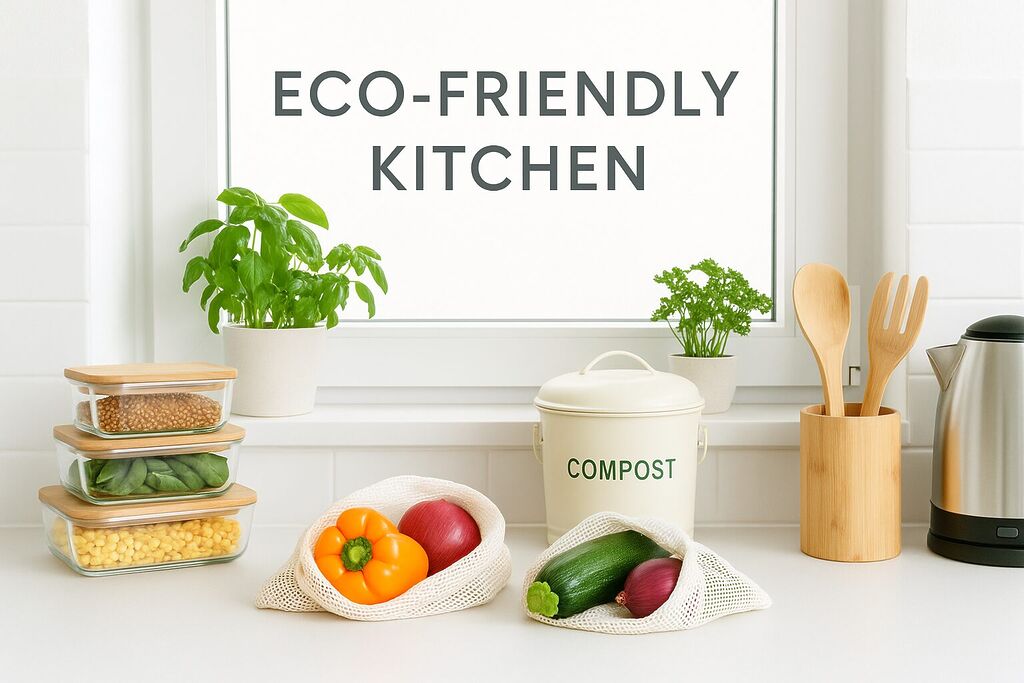
Your Eco-Friendly Kitchen: Smart Planning for Zero Waste Success
The kitchen, often considered the heart of the home, is a hub of daily activity. It's where countless meals are lovingly prepared, shared, and enjoyed. However, this essential space can also be a significant source of waste, from uneaten food to mountains of packaging. In an era where environmental consciousness is paramount, transforming our kitchens into fortresses of sustainability isn't just a trend—it's a crucial step towards a greener future. By embracing smart planning and making conscious choices, you can significantly
reduce kitchen waste, save money, and contribute to a healthier planet.
This article guides you through effective strategies for minimizing waste while operating sustainably in your kitchen. From enhancing meal planning and optimizing storage methods to incorporating composting and creative repurposing, we'll explore actionable ways to empower your cooking journey from start to finish, all while keeping waste to a minimum. Remember, every small act of sustainability in the kitchen contributes to a larger, positive impact on our planet.
Understanding the Landscape of Kitchen Waste
Before we can effectively tackle kitchen waste, it's crucial to understand its various forms and impacts. Kitchen waste generally falls into two main categories: food waste and packaging waste.
The Problem of Food Waste
Food waste is a global crisis, with an estimated one-third of all food produced for human consumption going to waste annually. In our homes, this often stems from:
- Spoilage: Food going bad before it can be eaten, often due to overbuying or improper storage.
- Over-preparation: Cooking too much food, leading to uneaten leftovers that eventually get thrown out.
- Plate waste: Food left on plates after meals.
- Kitchen scraps: Peels, cores, and other inedible parts that could be repurposed or composted.
When food waste ends up in landfills, it decomposes anaerobically (without oxygen), producing methane—a potent greenhouse gas significantly more damaging than carbon dioxide. Reducing food waste not only lessens this environmental burden but also conserves the water, energy, and resources used to produce and transport that food.
The Burden of Packaging Waste
From plastic wraps to styrofoam trays and cardboard boxes, food packaging contributes heavily to landfill accumulation and pollution. Many packaging materials are single-use and non-recyclable, posing a long-term threat to ecosystems. Even recyclable materials consume energy and resources during the recycling process. Minimizing packaging waste is essential for conserving natural resources, reducing pollution, and supporting a circular economy. To delve deeper into tackling packaging, consider exploring
Beyond Food Scraps: How to Minimize Kitchen Packaging Waste.
Smart Planning: The Foundation of a Zero-Waste Kitchen
The journey to a zero-waste kitchen begins long before you even step foot in a grocery store. It starts with strategic planning that empowers you to buy only what you need and use everything you buy.
Strategic Meal Planning: Your Weekly Blueprint
One of the most effective ways to
reduce kitchen waste is through meticulous meal planning.
- Map Out Your Week: Take 15-30 minutes each week to plan all your meals—breakfast, lunch, dinner, and even snacks—for yourself and your household. Consider your schedule, dietary preferences, and any planned social engagements.
- Inventory First: Before planning, always check your pantry, fridge, and freezer. Design your meals around ingredients you already have on hand, especially those nearing their expiry date. This "reverse meal planning" ensures older items get used first.
- Portion Control: Be realistic about portion sizes to avoid over-preparing. If you do cook extra, plan for intentional leftovers that can be repurposed for lunch the next day or frozen for a quick future meal.
- Flexibility is Key: While planning is important, allow for some flexibility. If a meal doesn't feel right, swap it with another planned option, but ensure the ingredients for the original meal are still consumed.
Mastering the Grocery List: Shop with Purpose
Once your meal plan is solid, creating an accurate shopping list is the next critical step.
- Ingredient-Specific List: List only the exact ingredients required for your planned meals, noting specific quantities. Avoid generic entries like "vegetables" and instead write "2 carrots, 1 head broccoli."
- Stick to the List: This is paramount. Impulse buys, especially when shopping on an empty stomach, are a primary cause of food waste. Enjoy a snack before you head to the store!
- Prioritize Local and Seasonal: Often, locally sourced and seasonal produce requires less packaging and travels shorter distances, further reducing your environmental footprint. It also tends to be fresher and more flavorful.
Conscious Consumption: Shopping & Storage for Less Waste
Your choices at the grocery store and how you handle food once it's home play a massive role in your ability to
reduce kitchen waste.
Embrace Reusables: Ditching Disposable Packaging
The supermarket experience is ripe with opportunities to cut down on packaging waste.
- Reusable Shopping Bags: Invest in sturdy, reusable tote bags and make it a habit to bring them on every grocery run. Keep a few in your car or by the door so you’re never without them.
- Mesh Produce Bags: Say goodbye to flimsy plastic produce bags. Washable mesh bags are perfect for fruits, vegetables, and even bulkier items.
- Bulk Bin Brilliance: If your local store offers bulk bins, take advantage! Bring your own reusable jars or cloth bags for grains, pasta, nuts, seeds, dried fruits, and spices. This dramatically reduces plastic packaging.
- BYO Containers: Some delis, butcher shops, and bakeries are now open to customers bringing their own containers for items like cheese, meat, or bread. Always check with the store first.
- Repurpose When Necessary: If you do forget your bags and end up with disposable ones, don't just toss them. Repurpose plastic bags for small trash can liners or to wrap items when traveling.
Prioritize Minimal Packaging: Smart Choices at the Store
Even when reusable options aren't available, you can still make smarter choices.
- Loose Produce Over Packaged: Always opt for loose fruits and vegetables over those pre-packaged in plastic or styrofoam trays.
- Mindful Product Selection: When packaging is unavoidable, choose items in glass jars, cardboard, or other materials that can be easily recycled or reused at home. Glass jars, for instance, are excellent for food storage or DIY projects.
- Concentrated Products: Look for concentrated versions of household staples like dish soap or laundry detergent, which often come in smaller packaging or refillable options.
Optimize Food Storage: Extending Freshness, Reducing Spoilage
Proper storage is the unsung hero of waste reduction, directly preventing food from spoiling before it can be consumed.
- Understand Date Labels: "Sell by," "Best by," and "Use by" dates have different meanings. "Use by" is about safety, while "Best by" is about quality. Use your senses—smell, sight, and touch—to determine if food is still good past its "best by" date.
- First In, First Out (FIFO): Organize your pantry and fridge so that older items are at the front, encouraging you to use them first.
- Airtight Containers: Store leftovers and opened packages in airtight glass or silicone containers to maintain freshness and prevent spoilage. Beeswax wraps and silicone lids are also great alternatives to plastic wrap.
- Master the Freezer: The freezer is your best friend for extending the life of food. Freeze excess produce, bread, cooked meals, or even ingredients like herbs (chopped with oil) or tomato paste in ice cube trays. Label everything with the contents and date.
- Creative Revival: Don't toss wilting vegetables! Revive them in a bowl of ice water for 15-30 minutes, or turn them into a hearty soup, stir-fry, or smoothie.
Beyond Prevention: What to Do with Inevitable Scraps
Even with the most meticulous planning and storage, some kitchen scraps are inevitable. The good news is that these don't have to end up in a landfill.
Composting: Turning Scraps into Gold
Composting is a powerful way to transform organic kitchen waste into nutrient-rich soil amendment.
- Benefits: Composting diverts waste from landfills, reduces methane emissions, and enriches your garden soil, reducing the need for chemical fertilizers.
- What to Compost: Fruit and vegetable peels, coffee grounds, tea bags, eggshells, and garden trimmings are ideal for home composting. Avoid meat, dairy, and oily foods in backyard composters to prevent pests and odors, though these are often accepted in municipal composting programs.
- Easy Setup: A small countertop compost bin can collect daily scraps, which can then be transferred to a larger outdoor compost pile or municipal collection bin.
Creative Repurposing: Maximizing Every Morsel
Before composting, consider if your scraps have another life to live. This approach, sometimes called "root-to-stem" cooking, minimizes waste and unlocks new flavors.
- Homemade Broth: Keep a freezer bag specifically for vegetable scraps (onion skins, carrot tops, celery ends, herb stems). Once full, use them to make a flavorful homemade vegetable broth.
- Croutons & Breadcrumbs: Stale bread can be toasted and seasoned for croutons or processed into fresh breadcrumbs.
- Infused Oils & Zest: Citrus peels can be used to make infused cleaning vinegar, zest for baking, or candied peels.
- Smoothies & Baking: Overripe fruits are perfect for smoothies, jams, or baked goods like banana bread.
Embracing these sustainable habits can truly transform your kitchen into an eco-friendly powerhouse. For more comprehensive insights into integrating sustainable practices throughout your home, check out
Ways to Reduce Kitchen Waste: Sustainable Habits for Your Home.
Conclusion
Transforming your kitchen into a zero-waste success story is an achievable goal that offers profound benefits for both your household and the planet. By implementing smart planning, practicing conscious consumption during shopping, optimizing food storage, and creatively repurposing or composting inevitable scraps, you can significantly
reduce kitchen waste. These strategies not only lessen your environmental footprint by diverting food and packaging from landfills but also lead to financial savings and foster healthier, more mindful cooking habits. Start small, be consistent, and celebrate every step you take towards a more sustainable and eco-friendly kitchen today.